

New to Chinese and ready to speak
Build pronunciation, greetings and simple Q&A, and put your first words into usable sentences. Your starting point is confirmed during the trial.
Start with topics that interest you and practise listening, responding and asking follow-up questions. Turn the words you know into your own sentences.

Different starting points call for a different focus.
Build pronunciation, greetings and simple Q&A, and put your first words into usable sentences. Your starting point is confirmed during the trial.
Use the words and patterns you know on familiar topics, and practise organising your speech.
Progress from answering a question to sharing details, expressing ideas and asking follow-up questions.
Each lesson links speaking, feedback and practice around one topic, adapted to your level and goals.

Choose from daily life, interests or an upcoming situation, and decide what to practise.
Share your ideas through Q&A or role-play so your teacher can see where you get stuck.
Receive specific advice on pronunciation, word choice and order, then try again in your own words.
Review the phrases you used and agree on a topic or task to practise after class.
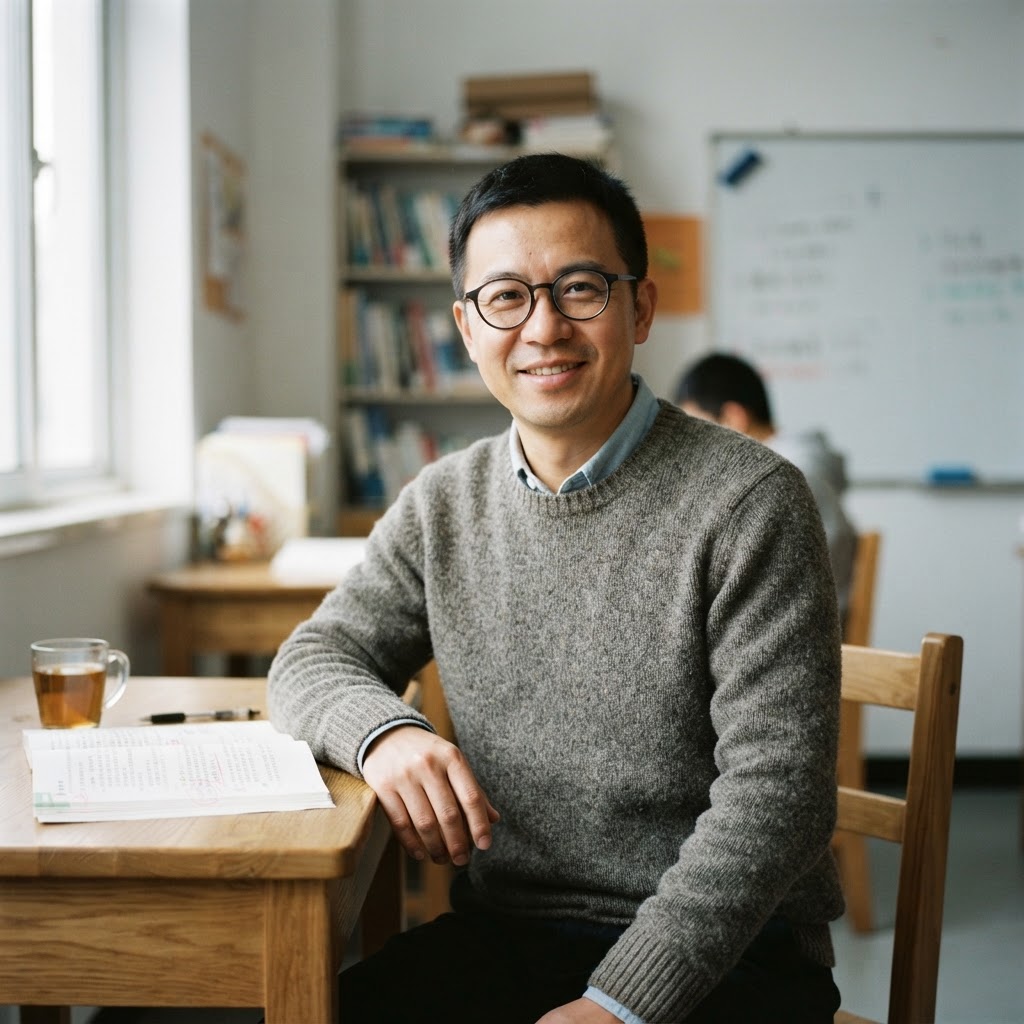
Practise the topics you want to talk about, with ongoing feedback.
You can also bring a topic you want to practise and discuss it with us.
Tell us your goal. Beginners usually build pronunciation, basic phrases and comprehension together; we confirm where to start during the trial.
Conversations are built around specific tasks. Your teacher gives feedback on issues that arise, then has you try again to apply it.
Yes. Tell us which sounds, tones or sentences you want to improve, or bring examples, and agree on a focus with your teacher.
These are confirmed based on your goals, available time and teacher availability. Content, number of lessons and fees are discussed during your trial enquiry.
Tell us your level, what you want to practise and your availability, and we will plan your speaking lessons together.